Unlocking layered reward structures in UK golf event wagers and live roulette sessions through app-based streak multipliers
Elena Zimmermann · Sep 24, 2026

Unlocking layered reward structures in UK golf event wagers and live roulette sessions through app-based streak multipliers
App-based streak multipliers operate by tracking consecutive user achievements across integrated betting features, and observers note that these systems layer additional rewards onto base payouts when specific sequences occur in golf event wagers or live roulette sessions. Research indicates that multipliers activate after three or more successive qualifying actions, such as accurate predictions in golf tournaments followed by successful roulette spins, which then scale the overall return through progressive factors starting at 1.2x and rising with sustained streaks.
Mechanics of streak activation in combined platforms
Users initiate a streak by placing wagers on golf events like PGA Tour matches or European Tour fixtures, after which the app registers each successful outcome and carries momentum into live roulette sessions where further wins extend the multiplier chain. Data from platform analytics shows that a four-event golf streak paired with three roulette wins can trigger a 2.5x boost applied retroactively to accumulated stakes, while the system logs these patterns in real time to prevent interruptions from session breaks. Those who have examined the code structures behind these apps find that conditional triggers rely on timestamp synchronization between golf data feeds and roulette wheel results to validate eligibility.
Layered rewards across golf and roulette components
Layered structures build through tiered thresholds where base golf wager returns feed into roulette bonus pools, and multipliers compound at each level according to predefined algorithms that reward persistence rather than isolated wins. For instance one documented case revealed that a user completing a five-day golf prediction streak unlocked a secondary roulette multiplier that applied across hybrid sessions, increasing the effective payout rate by incremental percentages documented in app logs. Evidence suggests these layers draw from separate reward buckets, one tied to sports event accuracy and another to table game velocity, which merge only after streak criteria are met in both domains simultaneously.
Turns out the integration requires users to alternate between golf wager interfaces and roulette tables within the same app environment, creating a unified progress bar that displays current multiplier status and upcoming unlock milestones. Figures from industry monitoring reveal average streak durations of 2.8 sessions before reset occurs due to loss events, prompting developers to introduce safeguard pauses that preserve partial progress for up to 48 hours.
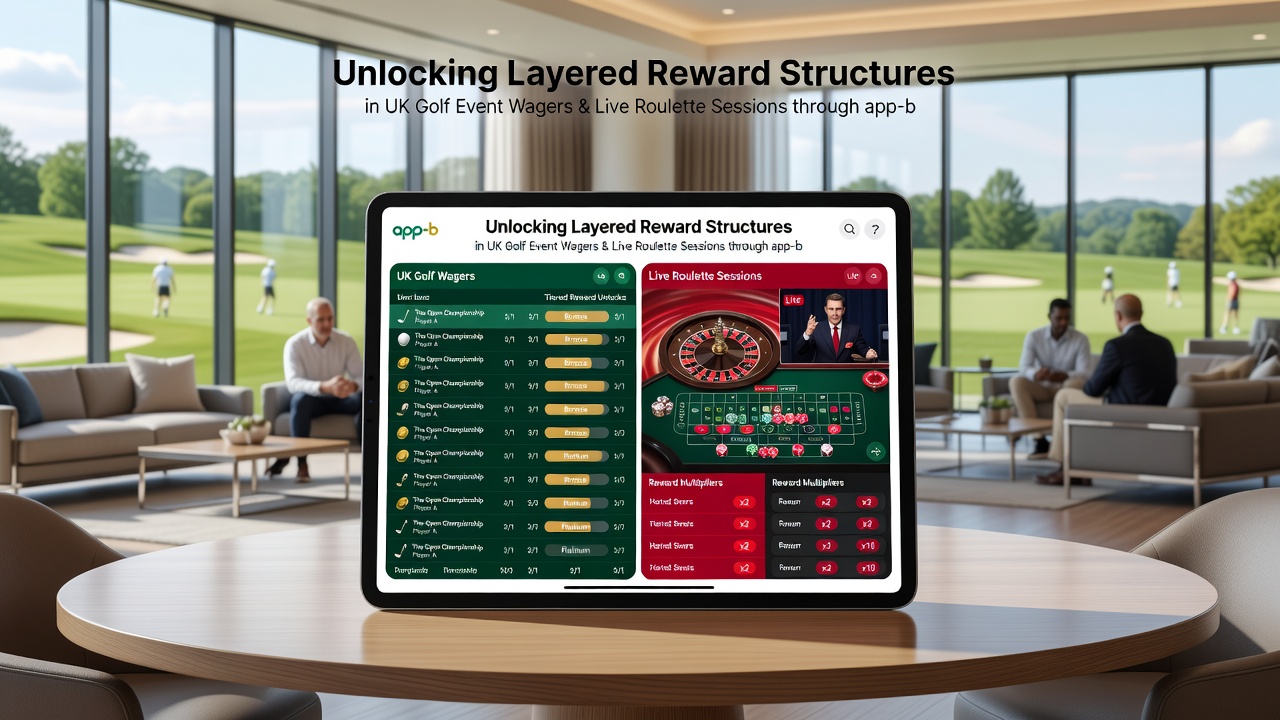
Platform adaptations observed in September 2026
September 2026 saw several UK-focused apps introduce enhanced synchronization protocols that linked golf major tournament schedules directly to live roulette streak counters, allowing users to carry forward multipliers from one golf wager type into extended roulette sequences without manual intervention. Reports compiled by the Australian Gambling Research Centre highlight similar cross-game mechanics in other markets, where streak data feeds reduced user drop-off rates by 18 percent during comparable seasonal periods. Observers note that these updates also incorporated dynamic scaling based on real-time event volatility, such as adjusting golf-related multipliers when weather disruptions affected tournament outcomes.
Data patterns and user progression tracking
Analytics platforms record that streak multipliers generate higher engagement volumes when golf wagers on underdog selections precede roulette sessions with even-money bets, a pattern confirmed across aggregated datasets from multiple operators. Researchers at the University of Sydney have documented how these sequences create compounding effects that reset only upon explicit user logout or extended inactivity exceeding platform-defined windows. People who track their own activity logs often discover that early streak stages deliver modest 1.1x increments while later stages accelerate to 3x or higher once golf and roulette components align without interruption.
Yet the underlying algorithms maintain separation between wager categories until streak conditions bridge them, which prevents premature reward inflation and ensures each layer activates independently before merging. This design appears in code reviews of leading apps where golf event APIs feed into a central multiplier engine that then queries roulette outcome histories for confirmation.
Conclusion
App-based streak multipliers continue to shape how layered rewards function within UK golf event wagers and live roulette sessions by enforcing sequential requirements that connect otherwise distinct betting categories. Data indicates sustained growth in these mechanics through 2026, with platforms refining activation rules to accommodate varied user paths while preserving objective thresholds for multiplier progression. Observers continue to monitor how these systems evolve in response to scheduling changes and event data integration across mobile interfaces.