The Role of User Behavior Analytics in Customizing Free Bet Offers for Horse Racing and Golf Within Casino-Integrated UK Apps
Elena Zimmermann · Nov 19, 2026
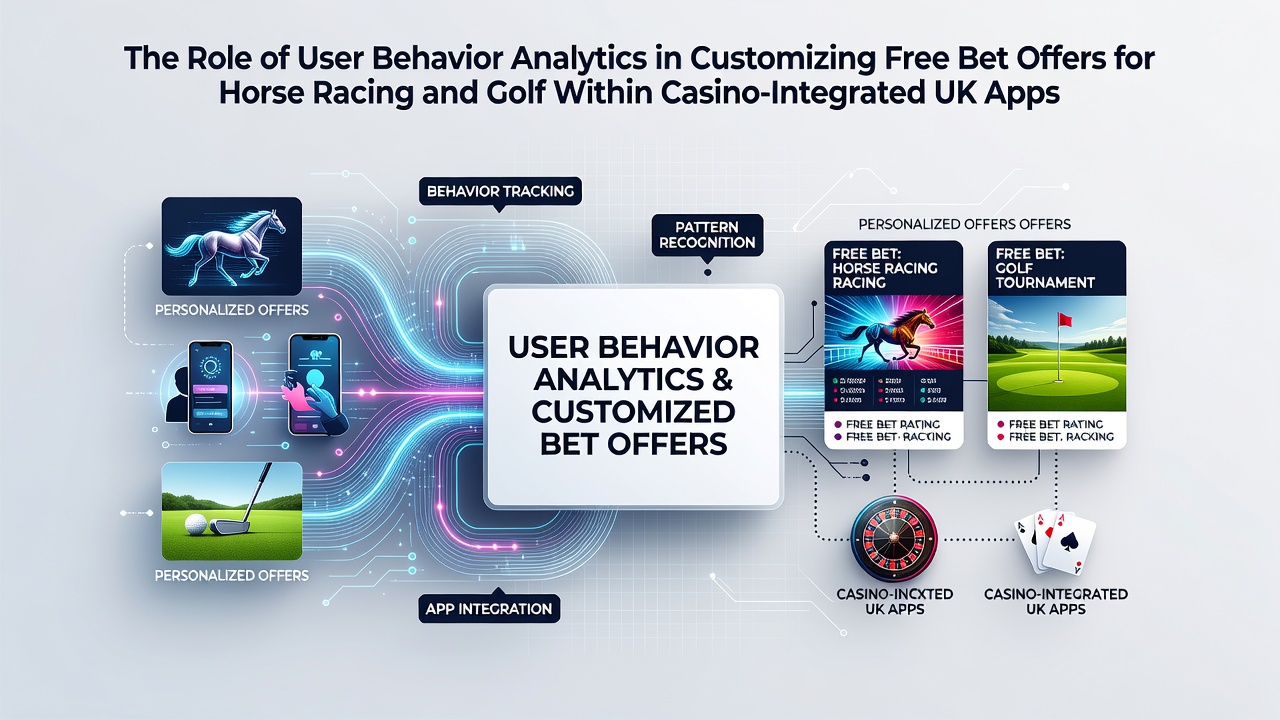
The Role of User Behavior Analytics in Customizing Free Bet Offers for Horse Racing and Golf Within Casino-Integrated UK Apps
Operators in the UK betting sector rely on user behavior analytics to shape free bet offers for horse racing and golf events inside apps that also host casino games, and these systems process data points such as wager frequency, event selection, and session duration to generate tailored promotions. Data collection occurs through mobile interfaces that record how users interact with racing schedules, golf tournaments, and casino sections without interruption.
Core Mechanisms Behind Behavior Tracking
Platforms gather information on bet timing, stake sizes, and preferred markets while users move between sports and casino features, which allows algorithms to identify patterns that match individual profiles. Researchers have documented how these analytics distinguish between casual golf bettors who favor live events and dedicated horse racing enthusiasts who focus on specific meetings, then adjust free bet parameters accordingly.
Analysts note that machine learning models update in real time as new activity arrives, so an app can shift a free bet value on a golf major if the system detects a user has increased activity in casino tables during the same session. This process draws from aggregated datasets rather than isolated actions, which maintains consistency across thousands of accounts.
Customization for Horse Racing Offers
Free bet offers for horse racing often incorporate metrics like past participation in ante-post markets or in-play betting during major festivals, and analytics tools segment users into groups based on these habits. One study revealed that operators who applied behavior models saw higher redemption rates when free bets aligned with a user's typical race distance preferences or trainer loyalty.
During November 2026, several platforms refined their models to account for seasonal shifts in racing calendars, which resulted in offers that triggered after users completed a set number of golf-related wagers in the same app environment. The integration means a free bet on a Cheltenham trial might appear after casino play patterns indicate a user tends to return to the app at similar times each week.
Adaptation for Golf Tournament Promotions
Golf events present distinct data opportunities because users frequently engage with both pre-tournament outright markets and round-by-round propositions, and analytics capture these differences to refine free bet structures. Systems track whether bettors favor majors or regular tours, then deliver offers that match those preferences while users explore casino games between rounds.

Evidence from industry reports shows that golf-focused customization often links to time-of-day activity, so users who place bets during early morning sessions receive offers timed for upcoming tee times. This approach operates alongside casino integration, where behavior data from roulette or slots sessions informs the scale of the next golf free bet.
Cross-Feature Data Flows in Integrated Apps
Apps that combine sports betting with casino options create continuous data streams, and analysts use these flows to connect horse racing or golf activity with casino engagement metrics. According to reports from the American Gaming Association, such cross-feature tracking supports more precise reward timing without requiring separate user prompts.
Those who have examined these systems explain that a user who places frequent small stakes on golf can trigger a larger free bet after casino session length exceeds a threshold, while horse racing patterns might activate offers tied to accumulator structures. The models operate on anonymized clusters to preserve privacy standards across jurisdictions.
Technical Implementation and Data Sources
Developers integrate third-party analytics platforms with in-app telemetry that records clicks, scroll depth, and feature switches, then feed the outputs into recommendation engines. Data from the European Gaming and Betting Association indicates that operators who combine multiple data layers achieve tighter alignment between offered free bets and actual user preferences in both racing and golf categories.
November 2026 updates to several UK apps incorporated additional signals from device usage patterns, which further refined how free bets appear after users transition from live golf coverage to casino tables. These changes rely on established statistical methods rather than experimental techniques, ensuring stability across large user bases.
Conclusion
Behavior analytics continue to shape free bet customization for horse racing and golf within casino-integrated UK apps through systematic collection of engagement data and real-time model adjustments. The approach connects sports-specific patterns with broader app activity to deliver offers that reflect documented user histories, and ongoing refinements in 2026 demonstrate how these systems adapt to evolving calendars and interface designs.