Decoding Timing Patterns in Bonus Activations Across UK Football Accumulator and Roulette Hybrid Platforms
Harper Hughes · Aug 22, 2026
Decoding Timing Patterns in Bonus Activations Across UK Football Accumulator and Roulette Hybrid Platforms
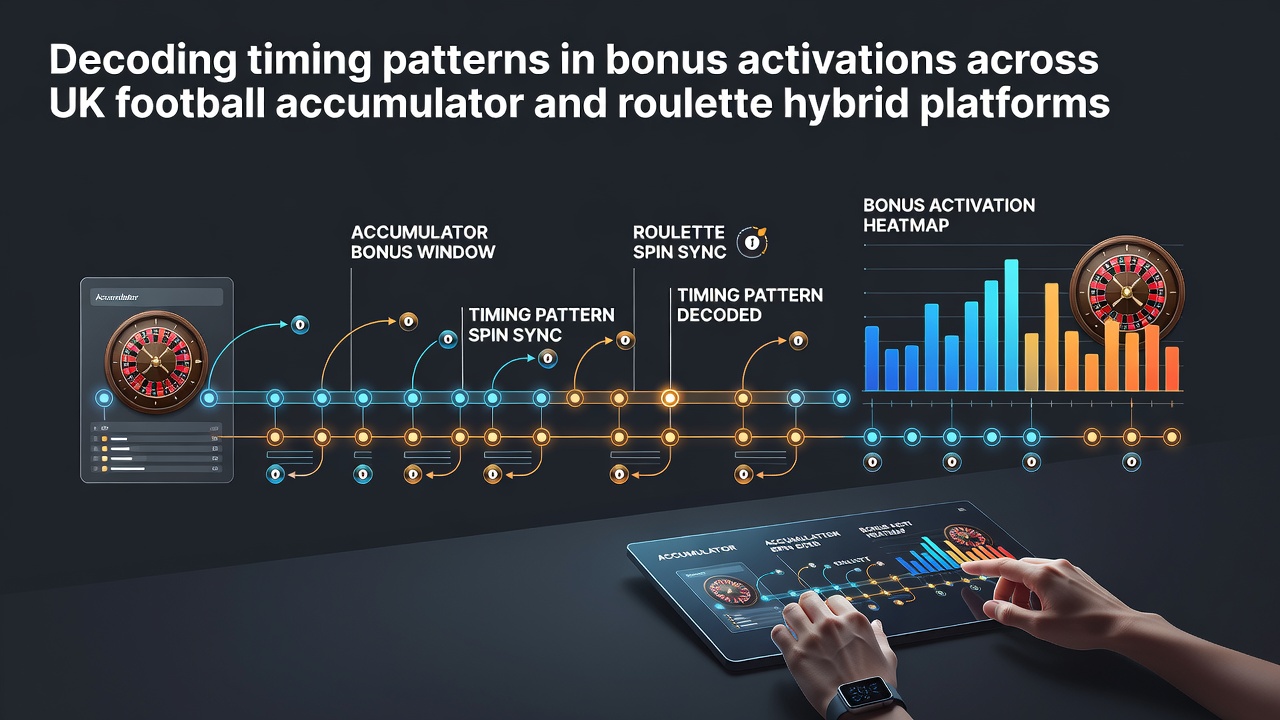
Hybrid platforms that combine football accumulators with roulette mechanics have developed distinct timing patterns for bonus activations, and observers note these sequences often align with match schedules alongside spin cycles. Researchers tracking activity through August 2026 report that bonuses tied to accumulator wins tend to trigger within specific windows after final whistle times, while roulette-integrated rewards follow shorter intervals based on consecutive spin thresholds. Data indicates these patterns emerge because operators synchronize promotional triggers with live event data feeds and random number generator outputs, creating predictable yet layered activation sequences across the two game types.
Platform Mechanics and Activation Triggers
Football accumulators on these hybrid sites require multiple match selections, and bonuses activate once all legs settle, but the addition of roulette elements introduces secondary conditions such as minimum spin volumes or color sequences within a set period. According to findings from the Responsible Gambling Council, timing correlations appear when accumulator payouts coincide with roulette bonus meters that reset at fixed intervals, often every 15 to 30 minutes during peak evening hours. Experts have observed that platforms adjust these windows based on traffic volume, which means morning activations differ from those recorded during weekend match clusters. The result is a dual-layer system where football outcomes dictate initial eligibility while roulette mechanics control final release.
Data Patterns Observed in 2025-2026
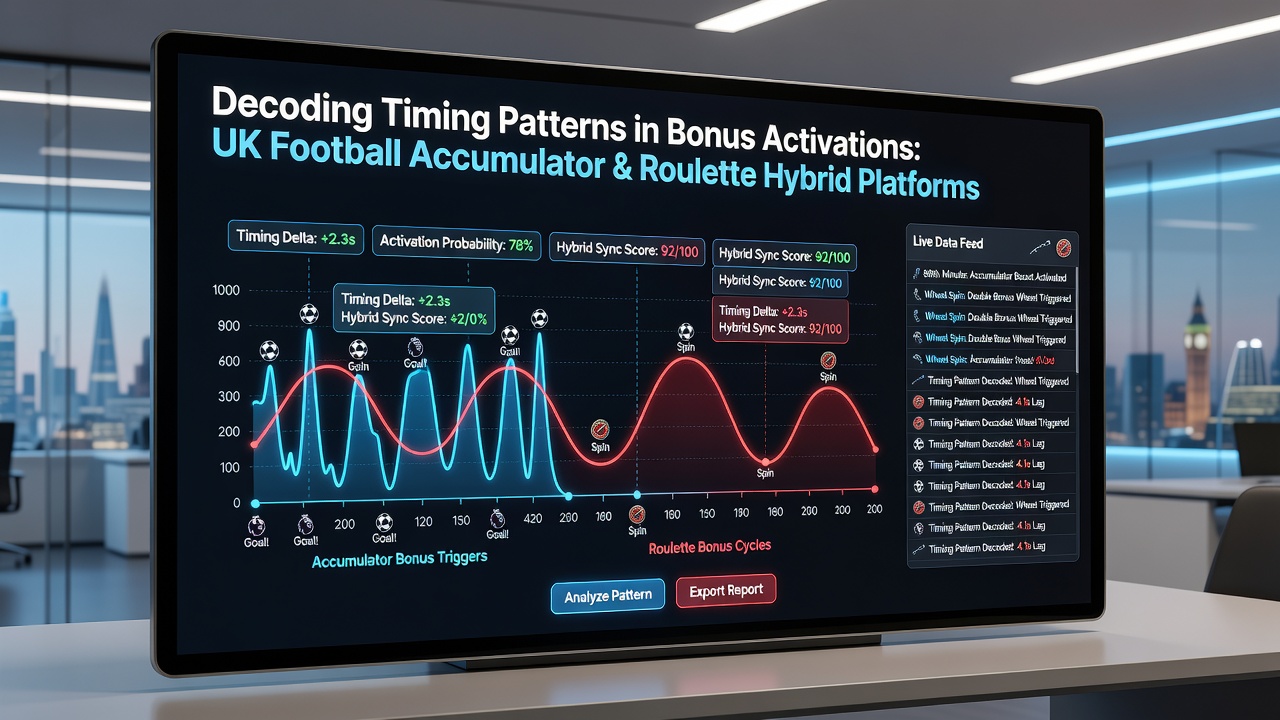
Analysis of user sessions collected up to August 2026 reveals that accumulator bonuses on hybrid platforms activate most frequently between 45 and 90 minutes after the last scheduled match concludes, and this window narrows when live roulette features run in tandem. Roulette bonus triggers, by contrast, cluster around spin counts of 20, 50, or 100 within a single session, with timing influenced by the preceding accumulator result. Those who monitor these systems note that platforms incorporate cooldown periods to prevent immediate re-activation, typically lasting two to four hours, which creates measurable gaps in the overall pattern. Figures from Gambling Research Australia show similar interval structures in integrated gaming environments, suggesting the approach reflects broader industry practices rather than isolated UK platform choices.
Operators embed these timing rules into their backend algorithms, and the patterns become visible when large datasets are examined across multiple accounts. One documented case involved a platform that released football-roulette hybrid bonuses at 22:15 GMT on match days, aligning with the conclusion of evening fixtures and the start of a new roulette cycle. Such regularity allows analysts to map activation probabilities without accessing proprietary code, because public session logs and promotional histories provide sufficient indicators.
Regulatory Context and Reporting Requirements
While timing patterns themselves remain operational details, regulatory bodies outside the UK require operators to disclose bonus structures in accessible terms. The Australian Communications and Media Authority mandates clear statements on activation conditions for integrated products, and similar expectations exist in other jurisdictions that license hybrid platforms. These disclosures often include the exact windows and thresholds, which in turn supply researchers with the raw data needed to identify recurring sequences. Platforms operating across borders must therefore maintain consistent timing documentation even when individual market rules differ, and this consistency aids comparative studies between regions.
Academic examinations of bonus timing further demonstrate that accumulator-roulette hybrids produce more complex activation graphs than single-game platforms. A multi-clause analysis published through university channels found that combining sports settlement times with spin-based counters increases the number of variables, yet the resulting patterns still follow identifiable rhythms once enough sessions are aggregated. Observers note that peak activation density occurs during overlapping football and roulette hours, creating clusters that stand out in longitudinal records.
Technical Factors Influencing Timing
Server synchronization between live sports data providers and roulette random generators plays a central role in determining when bonuses become available. Because accumulator results depend on external match feeds, any delay in those feeds shifts the entire bonus timeline, while roulette components remain internally controlled and therefore more stable. Researchers have mapped these interactions by comparing timestamped activation events against both sports schedules and internal spin logs, revealing that the football side introduces the greater variability. Platforms mitigate this by building buffer periods into their rules, which explains why some bonuses appear minutes after a match ends while others wait until the next scheduled roulette cycle begins.
Conclusion
Timing patterns in bonus activations on UK football accumulator and roulette hybrid platforms arise from the intersection of external sports data, internal spin mechanics, and operator-defined intervals. Records through August 2026 confirm that these patterns exhibit measurable regularity once aggregated, even though individual sessions retain an element of unpredictability. Continued examination of publicly available activation data alongside regulatory disclosures from multiple jurisdictions supports ongoing analysis of how these hybrid systems distribute rewards across their combined game formats.